
Child Counselling & Play Therapy in Chilliwack, BC (Ages 3-10)
How I Can Help:
Emotional Well-Being
Anxiety
Depression
Self-esteem
Emotion regulation
Separation anxiety
Selective mutism
Neurodevelopmental Differences & Behavioural Challenges
ADHD
Big emotions and challenging behaviours
School Challenges
Relationships & Social Skills
Difficulty making friends
Bullying
Social challenges
Life Experiences
Trauma
Family changes
Divorce/Separation
Grief and loss
School transitions
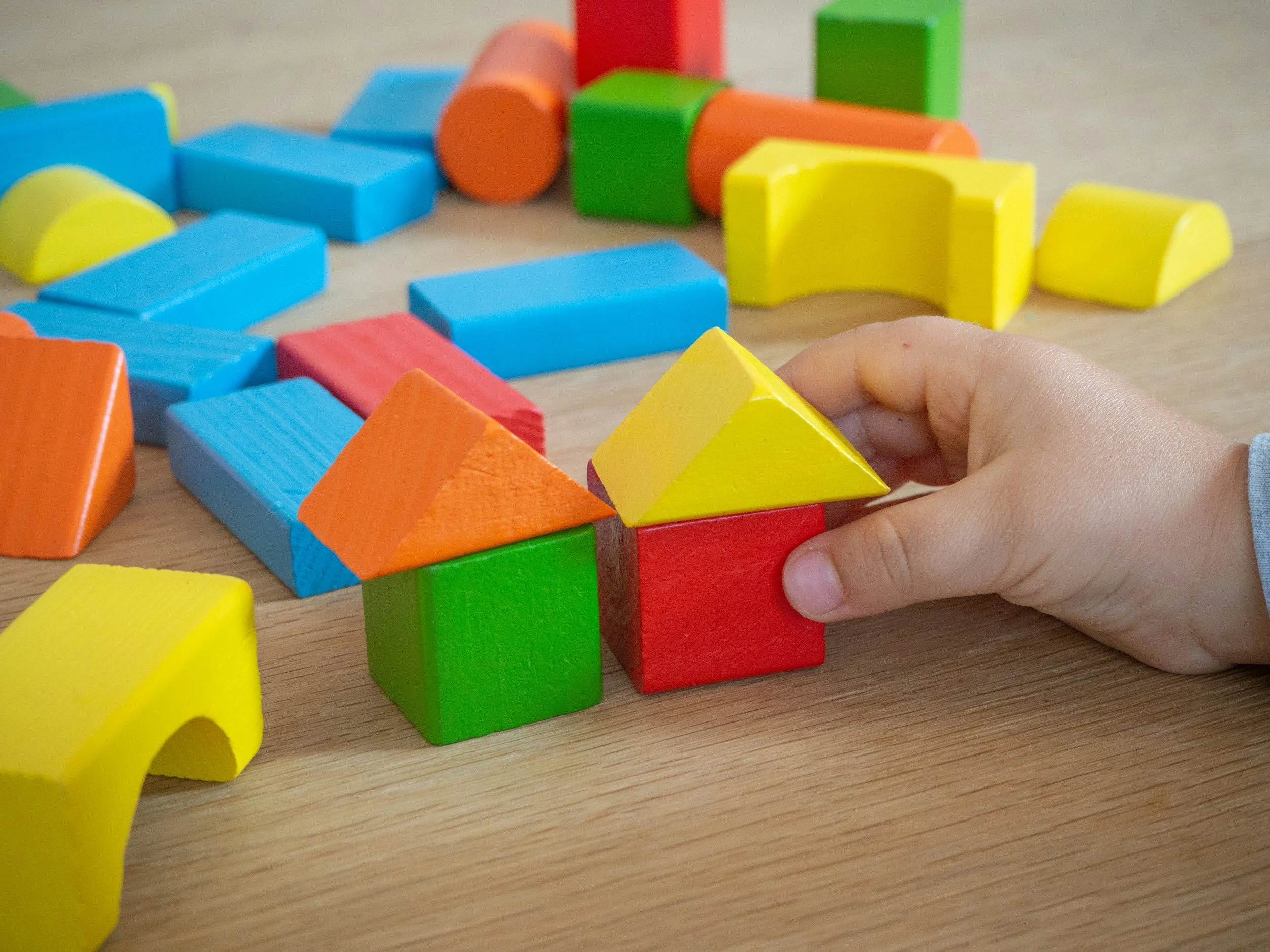
Play is a child’s natural language and primary medium of self-expression. Through play, children express their thoughts and feelings, share their inner world, explore their social environment, make meaning of their experiences, and experiment with new social skills and ways of being. Play also allows children to engage in complex developmental tasks and communicate their needs, thoughts, desires, and wishes.
Play therapy is an effective approach for children as young as three years old, that allows them to safely explore and work through inner and outer struggles. Using selected toys and materials, play therapy helps children resolve challenges, develop problem-solving skills, modify behaviours, access inner resources, build resilience, and strengthen self-image.
Child-Centered Play Therapy
Child-Centered Play Therapy is the primary approach I use in my work with children, as they express themselves more fully and directly through spontaneous play and will organically address what they need to work on. In Child-Centered Play Therapy, play is far more than "just play." It becomes a powerful therapeutic tool that allows children to express themselves naturally, at their own pace, and in ways that feel safe and engaging. Within this safe and accepting relationship, children are free to explore difficult emotions, make sense of their experiences, discover their strengths, and move toward healing in their own unique way.
As a Child-Centered Play Therapist, I bring a warm, steady, and curious presence to each session. I believe healing happens through safe, trusting relationships, and I strive to create a space where your child feels seen, heard, and accepted just as they are. With deep respect for your child's inner world, I follow their lead in play, offering gentle support and emotional attunement as they explore, express, and grow.
Preadolescents (Ages 10-12)
Therapy with preadolescents can vary depending on the child. I use a developmental approach to ensure therapy meets their needs, whether it be play, art, activity, or talk using carefully selected materials in the therapy space.
Partnering With Parents
What if the most powerful thing you could do to support your child's healing happened outside the therapy room?
Parents are the most important relationships in a child's life, which is why parental involvement is a central part of the play therapy process. Research consistently shows that children make greater gains in therapy when their parents are actively involved.
Throughout the therapeutic journey, parents can expect regular consultation sessions where they have the opportunity to ask questions, discuss their child's growth and progress, explore areas of concern, and receive guidance and support.
These parent consultation sessions are much more than simple check-ins. You'll receive parent coaching, gain deeper insight into your child's behaviour, and develop a richer understanding of child development and your child's emotional world. Together, we'll explore new ways of responding, strengthen your relationship with your child, and build practical tools to support their emotional regulation, resilience, and growth at home, at school, and everywhere in between.